The Tiny Ten
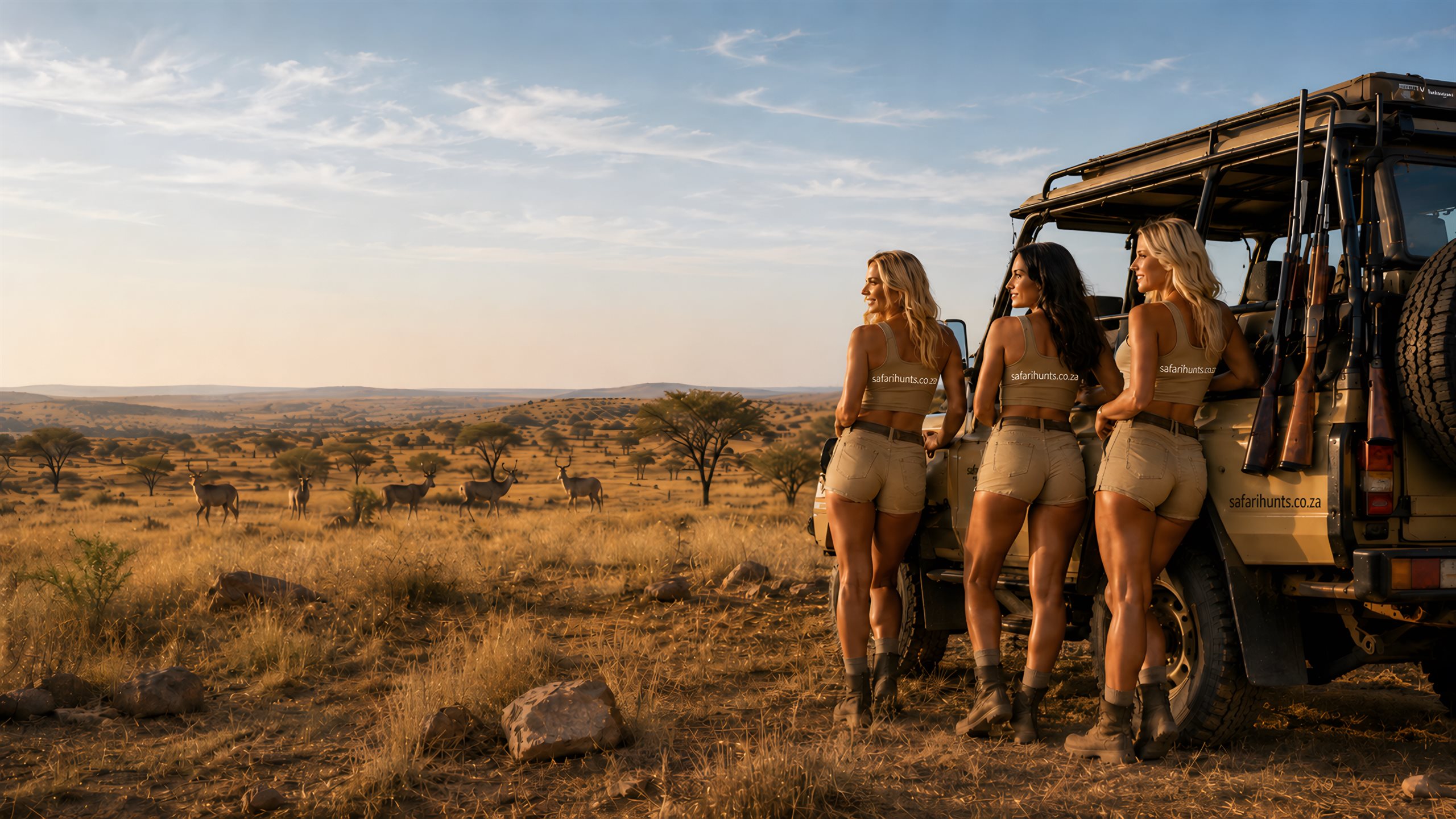
The Tiny Ten is the slam hunters graduate to: the ten pygmy antelope of southern Africa, none much bigger than a spaniel, every one a specialist of its own patch of forest, fynbos or rock. The whole collection costs less in trophy fees than a single buffalo — and by broad agreement among the hunters who have done both, it is harder to complete. This is the full list, where each animal actually lives, and how the quest really goes.
In this guide
The Tiny Ten checklist
| # | Animal | Where | The short version |
|---|---|---|---|
| 1 | Blue duiker | Eastern Cape and KwaZulu-Natal forests, South Africa | The smallest of the ten at around 4 kg — hunted on driven forest hunts, often with hounds. |
| 2 | Natal red duiker | Zululand, KwaZulu-Natal | Sand-forest edges in the first and last light; a rich chestnut jewel of an animal. |
| 3 | Common (grey) duiker | Everywhere in southern Africa | The one every hunter has seen — take a genuinely old ram when he shows, not the first one. |
| 4 | Steenbok | Widespread — South Africa and Namibia | Open country; often an opportunity on any plains-game safari. Big ears, tiny sharp horns. |
| 5 | Cape grysbok | Western and Eastern Cape fynbos | Nocturnal, thicket-bound and widely rated the hardest of the ten. |
| 6 | Sharpe's grysbok | Limpopo valley, Zimbabwe, Mozambique | The northern twin — rocky lowveld thickets at the edges of the day. |
| 7 | Klipspringer | Rocky kopjes in South Africa, Namibia, Zimbabwe | The rock-dancer — glass the kopjes at dawn and be ready to climb. |
| 8 | Oribi | KwaZulu-Natal and Eastern Cape grasslands; Mozambique | Permit-limited in South Africa — this is the leg to plan earliest. |
| 9 | Damara dik-dik | Namibia only — Erongo and the north-western thornbush | The leg that makes the Tiny Ten a two-country slam at minimum. |
| 10 | Suni | Zululand sand forest; Mozambique | A silent thicket ghost hunted from blinds over paths — patience defined. |
The slam that costs less than a buffalo and takes longer
Every animal on this list can be taken for a few hundred to a few thousand dollars, and the complete set of ten typically runs $12,000 to $20,000 in trophy fees — less than one good buffalo hunt. Yet ask the hunters who hold both slams which took more actual hunting and the answer is nearly unanimous. A kudu can be glassed at six hundred metres; a Cape grysbok lives his whole life inside cover you cannot see into, moves mostly at night, and gives you three seconds of opportunity a week. The Tiny Ten is where trophy hunting quietly turns back into hunting.
The list and the map
South Africa carries up to nine of the ten: the forest duikers and suni in KwaZulu-Natal, the Cape grysbok in the fynbos of the Western and Eastern Cape, oribi on the mist-belt grasslands, and the widespread trio of common duiker, steenbok and klipspringer almost anywhere. The Damara dik-dik lives only in Namibia's north-western thornbush, which makes this a two-country slam at minimum. Many hunters take Sharpe's grysbok and suni more readily in Zimbabwe or Mozambique, where they are stronger on the ground — a three-country version is common and arguably more fun. No single safari completes it; the realistic quest is two or three trips with Tiny Ten legs woven into ordinary plains-game weeks.
How you actually hunt them
Almost every method in the southern African book gets used before the ten are done. The forest duikers fall to driven hunts, often with hounds pushing thick coastal bush toward standing guns — a shotgun tradition as old as the Cape. Common duiker and steenbok respond to a predator distress call worked at dawn. Suni are taken from blinds over worn forest paths, a bowhunter's discipline even with a rifle in hand. Klipspringer is a glassing-and-climbing hunt among the kopjes. The grysboks are hunted at the very edges of legal light in cover that swallows them whole — where night permits exist, they exist for these animals. And oribi is a permit hunt on open grassland where the challenge is bureaucratic first and ballistic second.
The bullet problem
A .300 magnum that anchors a wildebeest will destroy a four-kilogram duiker, and every Tiny Ten hunter learns this the expensive way once. The traditional answers: a shotgun on the driven forest hunts; a .22 Hornet or .223 with non-expanding solids for the called and blind hunts; or your ordinary plains-game rifle loaded with full-metal-jacket solids that punch a clean hole instead of opening. Talk to your taxidermist before the trip, not after — nearly everyone full-mounts the tiny antelope, and the difference between a mountable skin and a shredded one is decided entirely by the bullet you chose that morning.
Trophies you can hide in a hat
Rowland Ward minimums for these animals sit in the low single inches — a suni ram carrying three inches of horn is a monster, and the judging is genuinely difficult because the difference between a young ram and an old one is a finger-width. Lean on your professional hunter, and judge age before inches: heavy bases, worn tips and the thick-necked, scarred look of an old territorial ram are worth more than a fraction of an inch of length. On the wall, a full-mount collection of the ten in a single cabinet is among the most striking displays in African taxidermy — and one of very few a spouse tends to approve of.
Cost, timeline and the honest quest
Budget $300 to $600 for the common animals, $1,000 to $2,500 for the forest specialists and klipspringer, and $2,000 to $3,500 for the premium legs — suni, dik-dik and permit-dependent oribi. The full slam commonly spans three to six years of ordinary safari-going, which is precisely its charm: the Tiny Ten gives every future trip a secondary mission. Book the oribi permit leg and the Namibian dik-dik leg deliberately; let the rest accumulate the way the best hunting stories always do — as sidequests that took over.
Few slams make better feed content — a suni in the salt is a rarer sight on any timeline than another buffalo. Log each leg on the Telegraph, keep the tally in your Trophy Room, and find the farms that hold your missing ones right here.
Join free → Post it on the Telegraph →
Part of The Bush Telegraph — verified records live in your Trophy Room and on the leaderboards. Off-platform, we're @safarihunts on X.