Getting Your Trophies Home
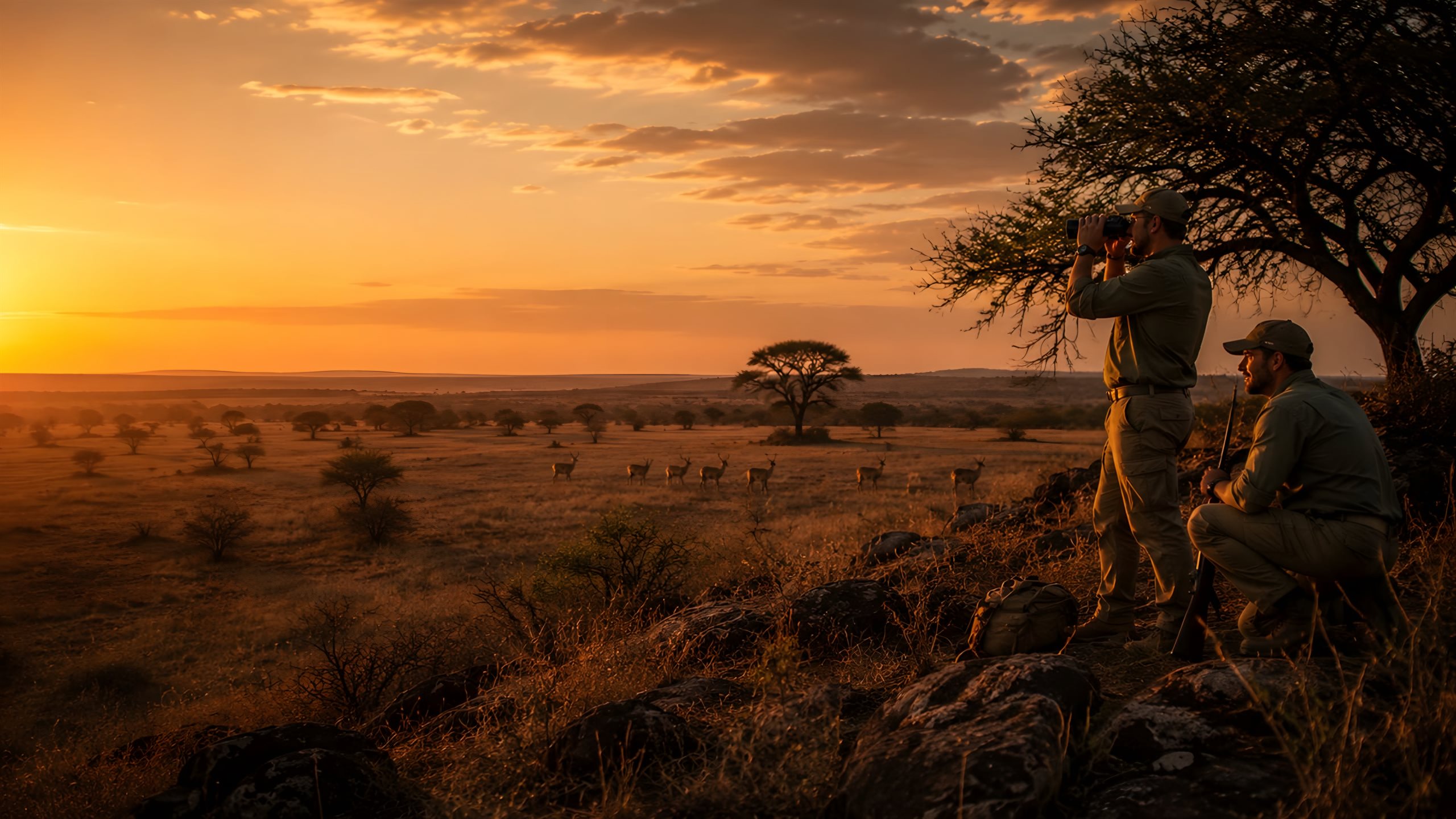
The single most misunderstood part of an African hunt is what happens after it. Your trophies pass through at least five sets of hands and a stack of documents before they reach you, and most of the horror stories you read online come from hunters who never knew what the chain looked like. Here is the whole route, stage by stage, with the paperwork and the honest timings.
In this guide
Stage 1 — the skinning shed and your trophy inventory
Within hours of the shot your trophy is skinned, salted and tagged. Before you fly home you should see and sign a trophy inventory: every cape, skull, horn and skin listed against your name and your hunt. That document is what everyone downstream works from, and it is the thing to be fussy about — a missing line here becomes a missing trophy nine months later.
Stage 2 — dip and pack (1 to 3 months)
Raw trophies cannot cross a border. A registered taxidermist cleans, treats and dries them to meet the importing country's veterinary rules, then crates them with a dip-pack certificate. You choose here whether to have the mounting done in Africa — usually cheaper, and it means one finished shipment — or to ship raw and mount at home, which costs more in freight but keeps the work with your own taxidermist.
Stage 3 — permits and export documents
The crate needs a veterinary or phytosanitary certificate, an export permit, and for CITES-listed species such as leopard, lion or elephant a CITES export permit that must match your import permit exactly. Names, quantities and species on all documents have to agree — one mismatched line is the most common cause of a shipment sitting in a bonded warehouse. Your outfitter and taxidermist organise these; your job is to supply accurate personal details and any import permit early.
Stage 4 — freight and the airway bill (2 to 8 weeks)
A freight agent books the crate onto a flight and issues an airway bill — the tracking number for the whole journey. From that point the shipment has milestones you can actually follow: departed, in transit, arrived, customs cleared, delivered. On this platform each of those milestones is pushed to the hunter as it happens, which is the difference between tracking a shipment and chasing one.
Stage 5 — customs clearance and the last mile
On arrival a customs broker in your own country clears the shipment, presents the import and CITES paperwork, and pays any duty. US hunters importing CITES species will also deal with the Fish and Wildlife Service, which is the step most likely to add weeks. Once cleared, the crate moves by domestic freight to your taxidermist or your door.
The honest timeline
Six to fourteen months from hunt to delivery is normal. Dip-and-pack shipping of raw trophies sits at the shorter end; full taxidermy done in Africa sits at the longer end because the mounting work itself takes months. Anyone promising eight weeks is quoting the freight leg alone and ignoring the four stages around it.
What actually goes wrong
In order of frequency: paperwork mismatches between the inventory, permits and airway bill; hunters who never applied for an import permit for a CITES species; consolidated shipments waiting for other hunters' trophies to fill a crate; and silence — nobody telling the hunter which stage the shipment is at. The first three are avoidable with early paperwork. The fourth is why the document chain and shipment tracking exist on this platform at all.