Colour Variant Hunting
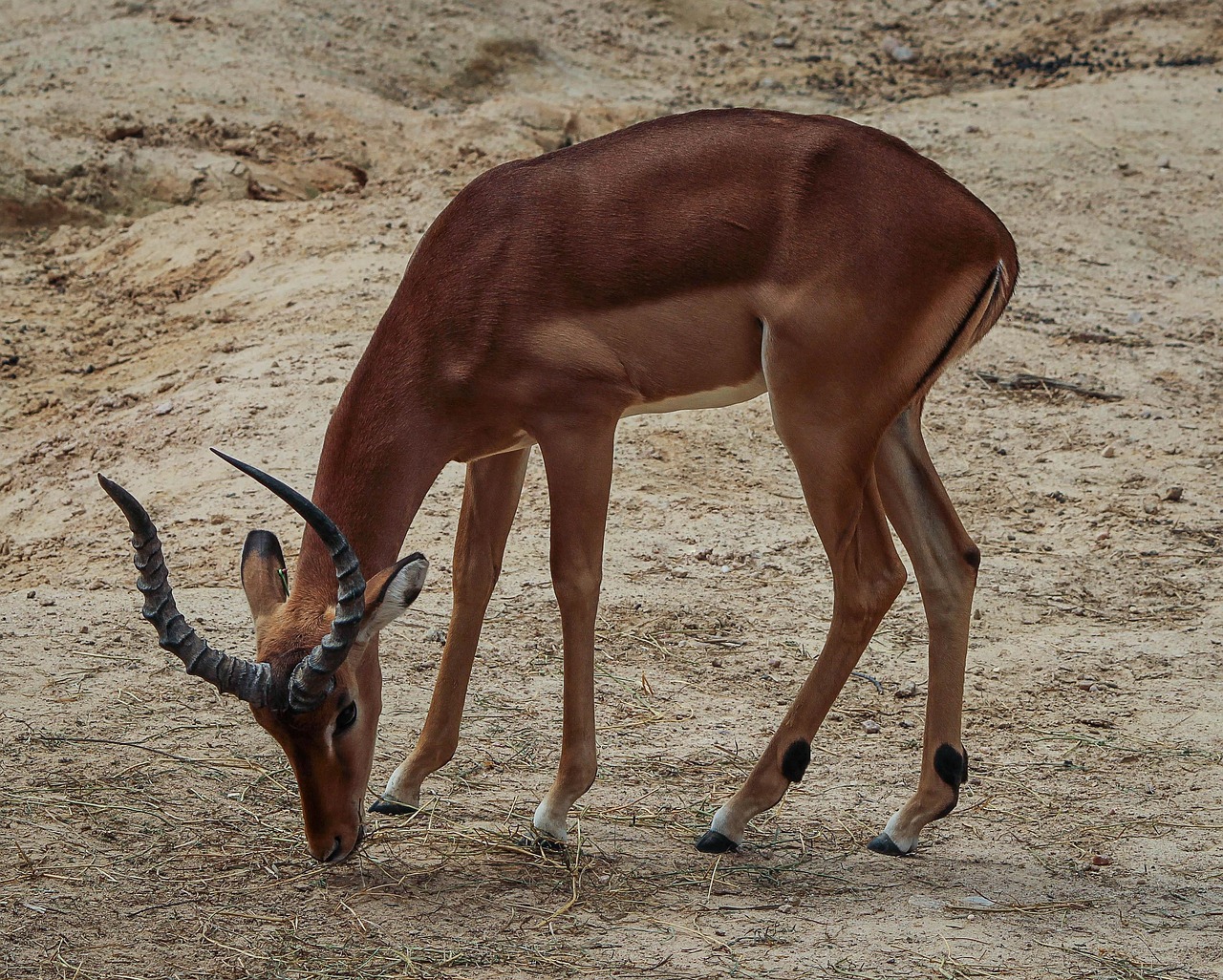
No subject splits an African campfire faster. Colour variants — golden wildebeest, black impala, copper springbok and their kin — are naturally occurring colour genes that South African ranchers bred into stable herds, briefly turned into a speculative bubble, and now offer as some of the most striking and affordable special trophies on the continent. Here is the honest story: the genetics, the crash, the prices today and the argument you will be having at dinner.
In this guide
The main colour variants
| # | Animal | Where | The short version |
|---|---|---|---|
| 1 | Black impala | South African ranch country | A melanistic phase of the common impala — jet black and unmistakable. |
| 2 | Saddleback impala | South African ranch country | Dark saddle over a common-coloured body; the rarest-looking of the impala phases. |
| 3 | Golden wildebeest | South African ranch country | The flame-coloured blue wildebeest that started the whole industry. |
| 4 | King wildebeest | South African ranch country | Dark-caped variant — often paired with the golden on collectors' walls. |
| 5 | Black, white & copper springbok | Karoo, Northern Cape, Free State | The original variants, recorded in wild Karoo herds for over a century — the springbok slam's other three. |
| 6 | White & yellow blesbok | Highveld farms | Long-established phases of a highveld staple. |
| 7 | Golden gemsbok | Kalahari-edge ranches | A pale-flame take on the desert warrior. |
What a colour variant actually is
Every variant on the list is the same species as its ordinary form — no hybrids, no engineering. They are naturally occurring recessive colour genes: black and white springbok were documented in wild Karoo herds in the nineteenth century, long before anyone owned a game fence. What the South African ranching industry did, beginning in earnest in the 2000s, was what livestock breeders have always done — select for the rare gene until it bred true. The result is stable herds of golden wildebeest, black impala and the rest, living wild on big veld and hunted exactly as their common-coloured relatives are.
The boom, the bubble, and the crash that fixed the prices
Between roughly 2012 and 2016 colour variants became a speculative mania: breeding animals changed hands at game auctions for prices that belonged in bloodstock sales, with single exceptional bulls making headline millions of rand. Like every bubble it needed greater fools, and around 2017 it ran out of them. Breeding values collapsed — and the collapse is the hunter's good news, because animals bred for a market that no longer exists became hunting stock. A golden wildebeest that would have been absurd to offer a hunter a decade ago is now a $2,000-to-$3,500 trophy. The bubble built the herds; the crash priced them for hunting.
What they cost today
The premium over the common form has settled to roughly double-to-triple rather than the old tenfold: black impala around $1,800 to $3,000 against a few hundred for a common ram, golden and king wildebeest $2,000 to $3,500, copper springbok $900 to $1,500, white blesbok under $1,000. As always, the live listed prices on this platform beat any article's ranges — farms adjust with the market, and the variant market still moves more than most.
The argument, fairly stated
The case against: variants are shaped by human selection for the wall rather than the veld, the record-book tradition exists to honour wild nature, and a bred rarity is a manufactured one. The case for: the genes are natural, the animals live and breed free on large properties, the hunt itself is identical to any ranch hunt for the common form, and the variant industry funds enormous acreages of wildlife habitat that would otherwise run cattle. Both cases are honest. Where a hunter lands usually depends on what they want a trophy to commemorate — the animal, or the hunt. Nobody at the campfire has ever changed sides, but the argument improves every fire it visits.
Record books and the fine print
If entries matter to you, check before you book: the books treat variants differently. Rowland Ward's tradition is built around wild, naturally occurring game and has generally kept selectively bred variants at arm's length, while SCI maintains categories that accommodate several of them and updates its rules periodically. The variants with a long wild history — the black and white springbok above all — sit in the clearest position. None of this affects the mount on your wall or the hunt in your memory; it only affects a line in a ledger, and knowing that in advance is what matters.
Choosing the right operation
The variant experience runs the full spectrum, and the animal cannot tell you which end you booked — so ask the questions that reveal it. How big is the ground? Are the herds self-sustaining and breeding on the property? How long have the animals been out of a breeding programme? A golden wildebeest that has lived three years wild on ten thousand acres hunts exactly like his brindled cousins; the same animal a month out of a breeding camp does not deserve your rifle or your money. The fair-chase test for a variant is the same as for any ranch animal — apply it, and the colour becomes the least important thing about the hunt.
Purist or collector, post your take and your trophies. The golden-wildebeest argument has been improving campfires for a decade; on the Telegraph it comes with photos and the occasional PH pulling rank.
Join free → Post it on the Telegraph →
Part of The Bush Telegraph — verified records live in your Trophy Room and on the leaderboards. Off-platform, we're @safarihunts on X.