African Hunting Slams & Collections
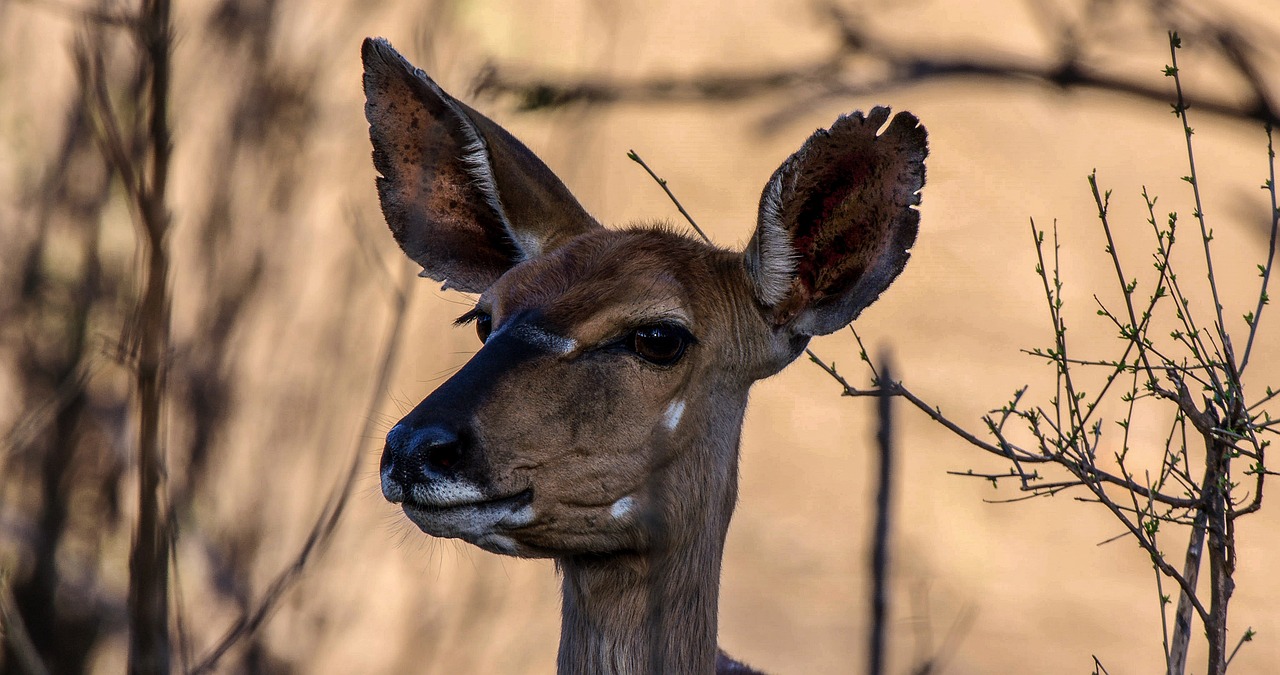
Hunters are collectors at heart, and Africa has more famous collections than every other continent combined. Some are a century old, some were invented by game ranchers a decade ago, and all of them do the same thing: they turn a lifetime of separate safaris into one story with a shape. This is the map of all of them — what each slam actually contains, what it honestly costs, and where to start.
In this guide
The African collections at a glance
| # | Animal | Where | The short version |
|---|---|---|---|
| 1 | The Big Five | Multiple countries, multiple trips | Lion, leopard, elephant, buffalo, rhino — the original collection, and still the summit. |
| 2 | The Dangerous Seven | Zimbabwe, Mozambique, Tanzania + South Africa | The Big Five plus hippo and crocodile — Africa's complete dangerous game. |
| 3 | The Tiny Ten | South Africa + Namibia (and often Mozambique or Zimbabwe) | The ten pygmy antelope of southern Africa. Costs less than one buffalo, takes more skill than most of them. |
| 4 | The Springbok Slam | Karoo, Northern Cape, Free State, Namibia | Common, black, white and copper springbok — the one slam you can finish in a single week. |
| 5 | The Spiral-Horn Slam | South Africa alone for the southern four | Kudu, nyala, bushbuck and eland — the connoisseur's family, with a nine-species mountain beyond it. |
| 6 | The Wildebeest Slam | South Africa, Namibia, Mozambique, Tanzania | Blue, black, Nyasa and white-bearded — two species, four races, one very tough animal. |
| 7 | Colour variants | South African ranch country | Golden wildebeest, black impala, copper springbok and company — the newest collection and the most argued about. |
Why hunters collect
The instinct is old. Rowland Ward published the first Records of Big Game in 1892 and gave hunters a measured standard to chase; the North American sheep hunters of the 1950s coined the "Grand Slam" for the four wild rams and set the template for every collection since. The term is now so contested that Safari Club International renamed its own versions "milestone awards" after a trademark dispute with the sheep hunters' club. The label matters less than the effect: a collection gives a hunting career a direction, and it is the reason a hunter who has taken forty animals still lies awake over one small grey duiker.
The famous ones, briefly
The Big Five is the summit — the five animals the old professionals rated most dangerous to follow on foot — and the Dangerous Seven extends it with hippo and crocodile. At the other end of the scale sits the Tiny Ten, the pygmy antelope slam, where the quarry weighs less than your rifle and the hunting is arguably harder. Between them come the single-family collections: the four-colour springbok slam, the spiral-horn slam built around kudu, nyala, bushbuck and eland, and the wildebeest slam across both species and their northern races. The newest arrival is the colour-variant collection — golden wildebeest, black impala and their kin — bred up by South African ranchers and argued about at every campfire on the continent.
What they cost, honestly
The spread is enormous, and it is the reason there is a collection for every stage of a hunting life. A springbok slam is three or four days and roughly $2,500 to $4,500 in trophy fees — the cheapest famous collection in world hunting. The Tiny Ten runs $12,000 to $20,000 in fees but spreads painlessly across two or three ordinary safaris. The southern spiral-horn four costs about what a single buffalo does. The Big Five is a different order of commitment: most hunters who complete it spend well over a decade and a sum with six figures in it, driven almost entirely by the lion, elephant and rhino decisions. None of these numbers requires guessing anymore — the live listed prices on this platform show what farms are charging for each animal right now.
The record books, and where a slam becomes official
There is no central authority that certifies a slam — the record books are as close as it gets. Rowland Ward records animals that meet a measured minimum, method-agnostic and old-school. SCI runs a scoring system and a ladder of awards for completed collections. And on this platform the African Trophy Record System adds the thing neither book has: verification. An ATRS entry is tied to a real booking on a real farm with the professional hunter attached, which makes a Safari Hunts trophy room something no self-declared spreadsheet can be. Enter the books you care about — but keep the verified version too.
A slam is a story you tell in public
Nobody completes the Tiny Ten quietly. The whole point of a collection is the running tally — the campfire recap, the photo of number seven, the confession about the one that got away in the fynbos. That running tally is exactly what The Bush Telegraph is for: post each leg as it falls, keep the verified score in your trophy room, and when one animal is all that stands between you and a finished slam, the farms that offer it are a search away on the same platform. Mainstream social media buries this stuff. Here it is the front page.
Post the legs you've taken and the ones still on the list. Slam progress is exactly what The Bush Telegraph was built for — and your Trophy Room keeps the verified score while the leaderboards keep it honest.
Join free → Post it on the Telegraph →
Part of The Bush Telegraph — verified records live in your Trophy Room and on the leaderboards. Off-platform, we're @safarihunts on X.