Planning Your First African Hunt
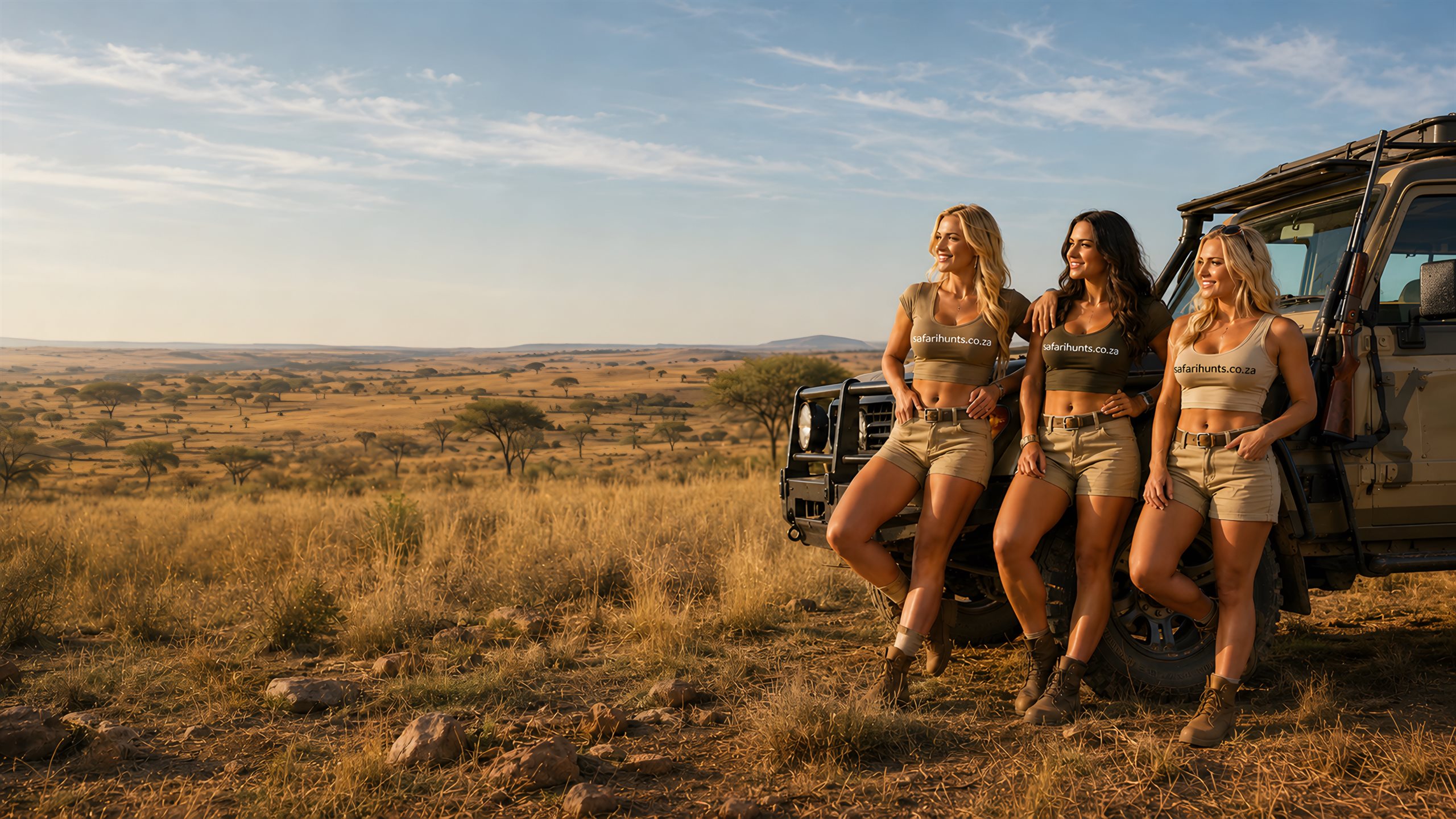
A first African hunt is less complicated than the forums make it look — but it does run on a timeline, and the hunters who enjoy it most are the ones who understood the moving parts before they paid a deposit. This is the whole picture in one page: how to choose where to go, what the money actually buys, and what happens between booking and the crate arriving at your door.
In this guide
Start with the species, not the country
Almost every good first safari starts with a short wish list — usually kudu, impala, warthog and a wildebeest or zebra — and the country follows from it. South Africa carries the widest species list and the easiest logistics, which is why most first hunts happen there. Namibia suits open-country stalking and gemsbok. Zimbabwe is where you go when buffalo is the point of the trip. Pick three or four animals you genuinely want on the wall, and the destination narrows itself.
Understand the two-part price
African hunts are quoted as a daily rate plus trophy fees. The daily rate covers your professional hunter, tracker, vehicle, accommodation and meals for each day in camp. Trophy fees are charged per animal actually taken — no animal, no fee. A seven-day plains-game hunt with four or five animals typically lands between $5,000 and $9,000 before flights, taxidermy and shipping. Package hunts bundle a fixed species list into one number, which makes budgeting easier for a first trip. Our live cost pages show what farms are actually listing right now rather than a decade-old brochure figure.
Book 6 to 18 months ahead
The prime dry-season weeks (May to September) at the better-known operations are taken a year out, and the convention season in January and February is when most of those dates get sold. Booking early also gives you room for the paperwork: rifle permits, any CITES species, and travel that has to be built around a specific camp week. Cancellation specials do appear when other hunters drop out — that is the one reliable way to hunt prime dates on short notice.
Deposits, escrow and what protects you
The standard structure is a deposit to hold your dates with the balance settled around the hunt. The risk in a private transfer to an outfitter you have never met is obvious, which is why bookings on this platform hold the deposit in escrow: the money is only released to the farm once the hunt is completed. It costs the hunter nothing extra and removes the single biggest anxiety of booking across a continent.
What happens after the shot
This is the part first-timers underestimate. Your trophies go from the skinning shed to a taxidermist for dipping and packing, then through export permits, freight, customs clearance in your own country and finally domestic delivery. Realistically that is six to fourteen months from hunt to doorstep, and it involves five or six different parties. Read the trophy-shipping guide before you book, not after — it is the difference between an expected wait and a year of wondering where your kudu went.
A simple planning timeline
12+ months out: choose species, shortlist outfitters, ask for references. 9 months: book and pay the deposit, lock flights. 6 months: rifle permit paperwork started, travel insurance including medical evacuation. 3 months: confirm the species list and any add-ons, arrange a taxidermy plan. 1 month: practise from shooting sticks at 100 to 200 metres. Post-hunt: sign off the trophy inventory before you fly home.