Taxidermy Options and Costs
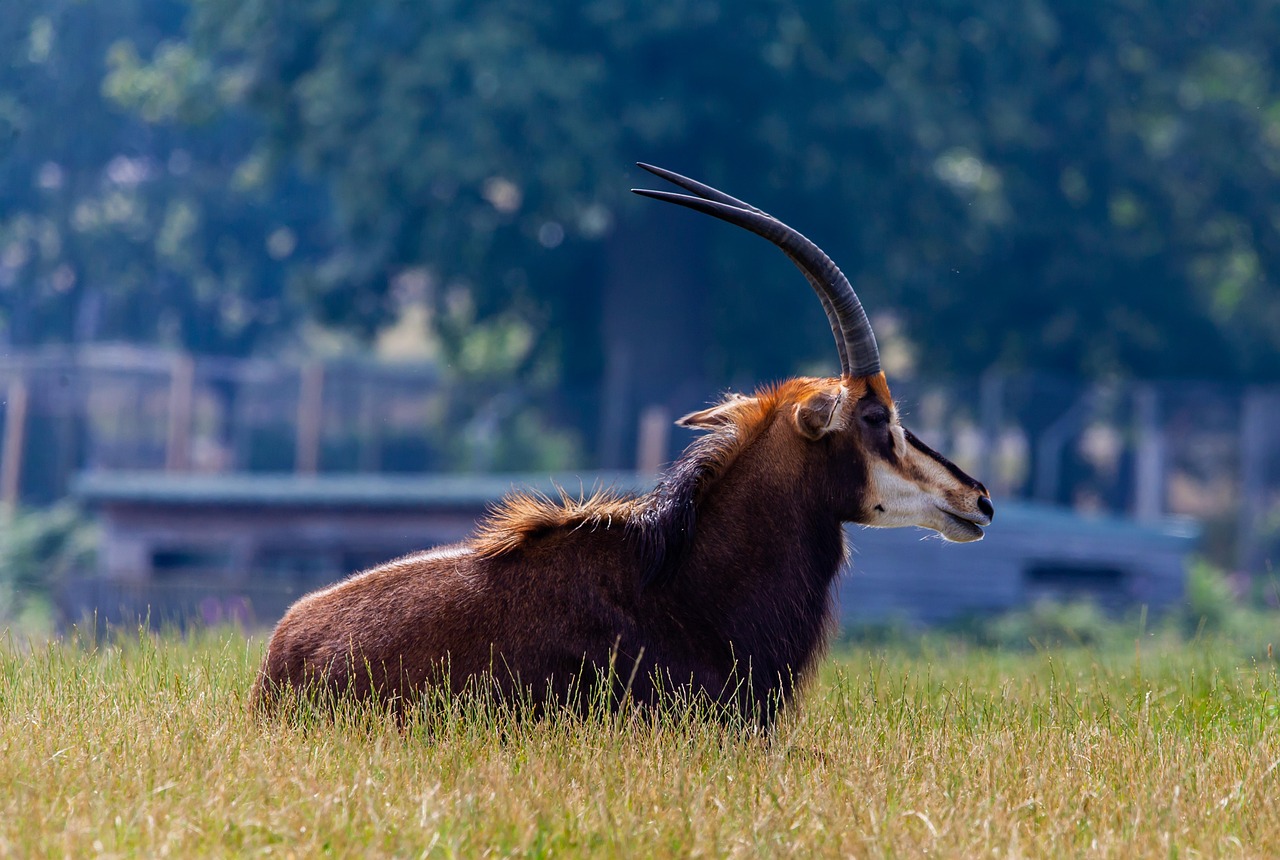
Deciding what to do with your trophies is a decision best made before the hunt, because it changes what happens in the skinning shed. Cape a trophy wrong for the mount you actually wanted and no taxidermist can fix it afterwards. Here are the options, honestly costed.
In this guide
The main mount types
A shoulder mount is the classic wall trophy showing head, neck and shoulders. A European or skull mount is the cleaned skull and horns — inexpensive, compact and increasingly fashionable. A pedestal mount stands on a base for display in the round. Full mounts show the whole animal and need serious floor space. Flat skins and rugs suit zebra, big cats and springbok. Most hunters mix: a shoulder mount of the best animal, European mounts of the rest.
Decide before you hunt
Tell your PH what you want before the animal is skinned. A shoulder mount needs a long cape taken well back behind the shoulder; a full mount needs the whole skin handled differently again. If the skinner treats a trophy as a European mount and you later want a shoulder mount, the cape simply does not exist. This one conversation on day one prevents the most common trophy regret there is.
Africa or home?
African taxidermy is typically meaningfully cheaper than American or European work, and the studios doing volume for the safari trade are genuinely good. You wait longer — mounting adds months before shipping — and you cannot inspect progress. Mounting at home costs more and means shipping raw dipped-and-packed trophies, but keeps the finishing under your eye and your shipment moving sooner. Neither answer is wrong; decide on budget, patience and how much the finished work matters to you.
What it costs
As a rough guide for African studios: European skull mounts from around $100 to $250, shoulder mounts from roughly $400 to $900 depending on species, flat skins from about $300, full mounts running well into the thousands. Add crating and freight, which is driven by crate volume — which is why hunters mounting five animals often choose European skulls for four of them.
Timelines and paperwork
Dip and pack alone takes one to three months. Full taxidermy in Africa commonly runs six to twelve months before the shipment even starts moving. Either way the studio issues the dip-pack certificate and trophy inventory that the export permits and customs clearance depend on — which is why using the taxidermist your outfitter works with routinely, or one already integrated into the platform's document chain, saves real time.