Hunting the Big Five
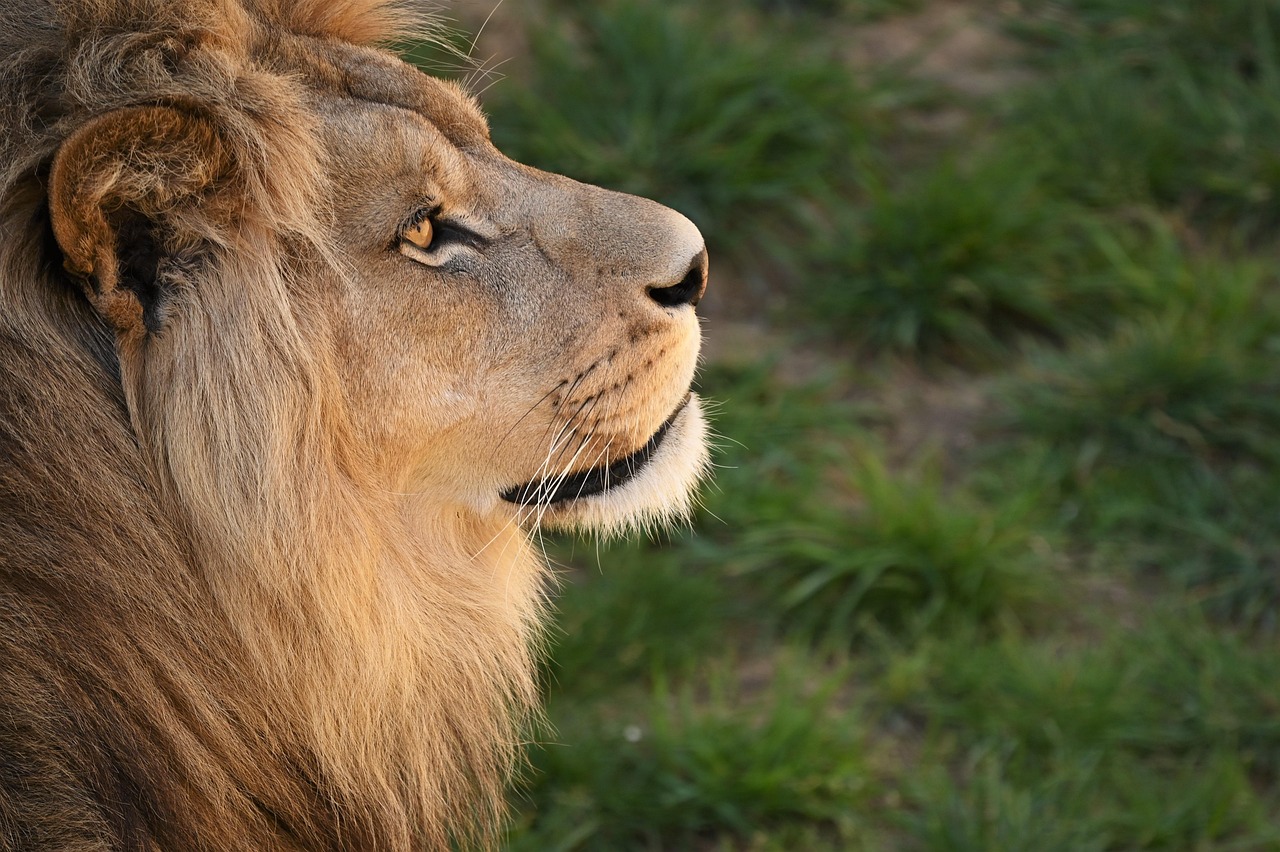
The Big Five is the oldest brand in hunting — coined by professionals who rated these five animals the most dangerous to follow on foot, then borrowed by every safari lodge and airline on the continent. For hunters it still means the original thing, and completing it remains the defining project of a hunting life. Here is the honest modern picture, animal by animal: what each one costs, where it is actually hunted, and the decisions — lion and rhino above all — that shape what your five will look like.
In this guide
The Big Five checklist
| # | Animal | Where | The short version |
|---|---|---|---|
| 1 | Cape buffalo | South Africa, Zimbabwe, Mozambique, Tanzania, Botswana | The accessible one and the right place to start — tracking, thick cover, a .375 and steady nerves. |
| 2 | Leopard | Zimbabwe, Namibia, Mozambique, Tanzania | CITES Appendix I, strict national quotas, baited hunts of 14 days or more. Secure the import side before you book. |
| 3 | Lion | Tanzania, Zimbabwe, Mozambique on wild quota | The complicated one — wild quota hunts are long and expensive, and the South African captive-origin alternative carries import and reputation questions. Read the section below. |
| 4 | Elephant | Zimbabwe, Botswana, Mozambique, Tanzania | Paperwork first: CITES export and home-country import rules decide whether the ivory ever hangs on your wall. |
| 5 | White rhino | South Africa only | Legal under strict national and CITES permits, priced well into six figures — the reason the modern collection is often a Big Four. |
Where the term comes from
The phrase predates photographic safaris by decades. To the ivory-era and early professional hunters, the big five were simply the five animals most likely to kill you when things went wrong at close range: elephant, lion, leopard, Cape buffalo and rhinoceros. Tourism later adopted the list as a viewing checklist, which is why your airline magazine uses it — but in hunting camps it never changed meaning. Each of the five is hunted on foot, each demands a heavy rifle and a licensed dangerous-game professional hunter, and each has ended careers and lives when treated casually.
Buffalo — the gateway
Nearly every Big Five story starts with buffalo, and it should. Buffalo hunting is the most available and most affordable of the five — realistic all-in figures start around $15,000 to $25,000 — and it teaches the craft the other four demand: reading tracks, moving quietly in thick cover, and putting a heavy bullet exactly where it must go while your pulse argues with you. South Africa and Zimbabwe carry the most hunts, Mozambique and Tanzania the wilder versions. A .375 is the legal minimum almost everywhere and a sensible one.
Leopard — the patience hunt
Leopard is a CITES Appendix I species hunted on strict national quotas, and the hunt itself is a discipline apart: baits hung and checked for days, a blind built downwind, and a shot that comes — if it comes at all — in the last grey light at a cat that appears without sound. Fourteen days is a standard minimum and twenty-one is common. Zimbabwe, Namibia, Mozambique and Tanzania hold the established quotas, and costs run roughly $30,000 to $80,000 depending on country and area. The critical homework is on the import side: confirm your own country will issue an import permit for a leopard trophy before you pay a deposit, not after.
Lion — the complicated one
No animal on the list requires a clearer-eyed decision. A wild lion on quota in Tanzania, Zimbabwe or Mozambique is one of the great remaining experiences in hunting — typically an eighteen-to-twenty-one-day safari with costs from around $50,000 well upwards — and quotas are deliberately small. South Africa offers captive-origin lion hunts at a fraction of that price, and you should understand exactly what that means before considering one: several major trophy-importing countries, the United States included, effectively do not allow captive-origin lion trophies in, and the practice divides the hunting world itself. Decide what you want the mount to mean, then book accordingly. Whatever you choose, the exporting and importing paperwork is CITES-governed and belongs at the start of your planning, not the end.
Elephant — paperwork before passion
Elephant hunting is alive and consequential in Zimbabwe, Botswana, Mozambique and Tanzania, and it funds a measurable share of rural conservation in all four. It is also the most paperwork-bound hunt in the world. Export runs under CITES with country-specific rules, and import approval in your home country is a separate, case-by-case question — United States hunters in particular should take current advice before booking, because findings change. On the ground the price gap is wide: a non-exportable or tuskless hunt in Zimbabwe can start around $15,000 to $25,000, while a full exportable trophy bull safari runs $45,000 to $80,000 and beyond. The hunt itself — long tracking days on foot in real wilderness — is by common consent the deepest experience African hunting offers.
Rhino, and the honest Big Four
White rhino may be legally hunted in South Africa under strict national permits and CITES control — a tightly limited, conservation-argued programme with prices deep into six figures. For most hunters that puts the fifth animal out of practical reach, which is why the working modern collection is the Big Four plus a decision: some budget a lifetime toward the rhino, some take the darted veterinary alternative and are honest that it is a procedure rather than a hunt, and most simply let the Big Four stand with a second or third buffalo alongside. There is no wrong answer, but there is a dishonest one — claiming five when the wall shows four. Say what you did; the animals deserve it.
The full project: time and money
Treat the Big Five as a campaign, not a booking. A sensible sequence is buffalo first, then leopard or elephant depending on budget rhythm, with lion as the deliberate centrepiece — and each leg can carry plains game alongside to fill the slow days. Hunters who complete the five typically spread it over eight to fifteen years, and the total lands anywhere from $150,000 to $400,000+ depending entirely on the lion and rhino choices. The one constant: every animal on the list is quota-limited, so the good areas book out a year or more ahead, and the paperwork lead times are measured in months.
And the Small Five, for the campfire
Africa keeps a joke ready for the self-serious: the Small Five are the elephant shrew, the buffalo weaver, the leopard tortoise, the ant lion and the rhinoceros beetle. You will meet most of them between stalks. Photograph all five and you have completed a slam that costs nothing and wins any dinner-table argument about whether you were paying attention out there.
One down or four? Post each leg as it falls — the tracking days, the blind, the one that made your PH go quiet — and keep the verified tally in your Trophy Room. Somewhere out there is a hunter one buffalo behind you.
Join free → Post it on the Telegraph →
Part of The Bush Telegraph — verified records live in your Trophy Room and on the leaderboards. Off-platform, we're @safarihunts on X.