The Dangerous Seven
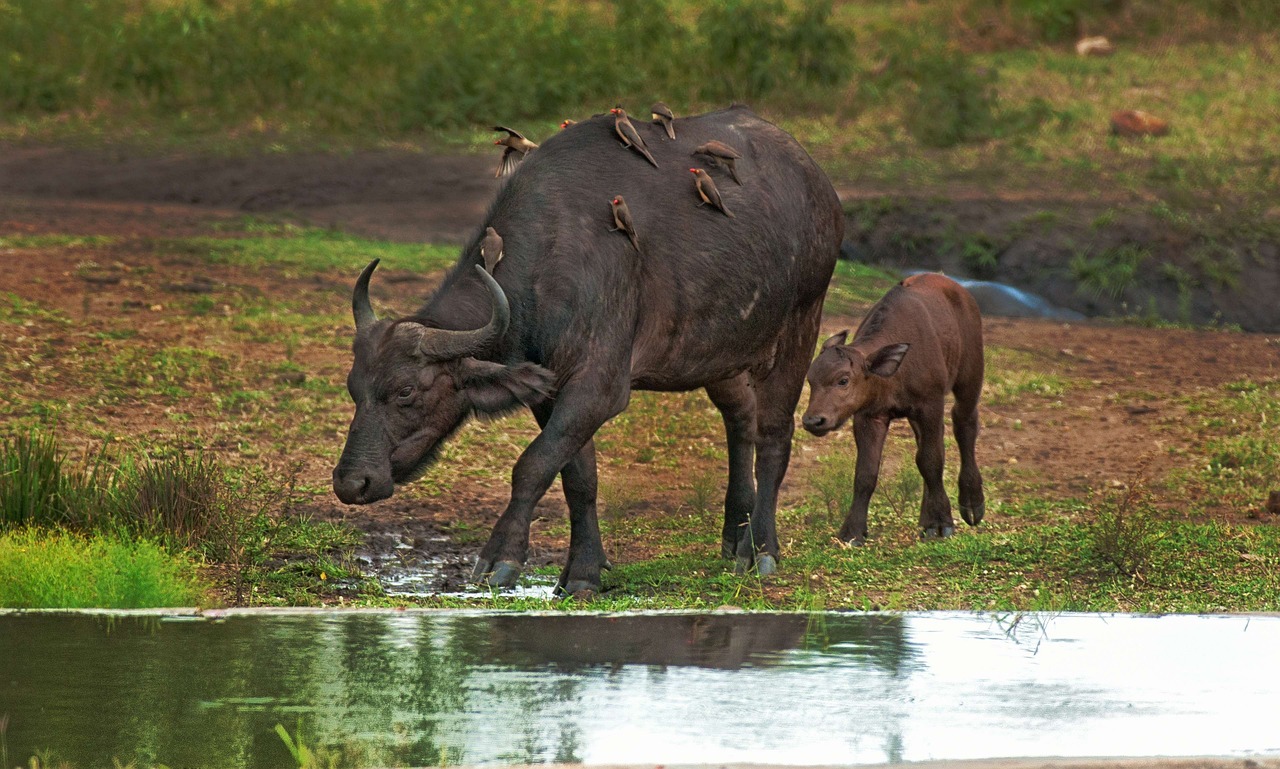
The Big Five was drawn up by hunters counting risk on land. Add the two animals that own the water — hippo and crocodile — and you have the Dangerous Seven: the complete set of African game that can kill you, and the collection serious dangerous-game hunters actually work toward. The good news is that the two additions are the most affordable animals on the list, and they combine beautifully into a single riverine safari.
In this guide
The Dangerous Seven checklist
| # | Animal | Where | The short version |
|---|---|---|---|
| 1 | Cape buffalo | South Africa, Zimbabwe, Mozambique, Tanzania | The foundation animal of the whole collection. |
| 2 | Lion | Tanzania, Zimbabwe, Mozambique on wild quota | The centrepiece decision — see the Big Five guide. |
| 3 | Leopard | Zimbabwe, Namibia, Mozambique, Tanzania | Baited, quota-limited, patience-defined. |
| 4 | Elephant | Zimbabwe, Botswana, Mozambique, Tanzania | The deepest hunt in Africa; paperwork first. |
| 5 | White rhino | South Africa only | Six figures and strictly permitted — the leg most hunters plan last, or honestly leave out. |
| 6 | Hippopotamus | Zimbabwe, Mozambique, Tanzania, Zambezi valley systems | Statistically Africa's deadliest big animal — and the most underrated hunt on this list. |
| 7 | Nile crocodile | Zimbabwe, Mozambique, Tanzania river and lake systems | A precision rifleman's hunt: one shot, a target the size of a fist, zero margin. |
From five to seven
The extension is not a marketing invention — professional hunters have always rated hippo and crocodile as dangerous game, and every country that regulates them treats them accordingly: dangerous-game licences, heavy-calibre minimums, and professional supervision. The Dangerous Seven simply names what the licence books already knew. For a hunter partway through the Big Five it is also the practical next chapter, because the two water animals cost a fraction of the cats and hunt in the same wild country.
Hippo — the deadliest animal nobody respects
Ask the statistics rather than the brochures: the hippopotamus kills more people in Africa than any other large mammal — more than lion, buffalo and elephant. A land hunt for an old bull cut off from water on his night grazing route is dangerous-game hunting at its rawest, with a charge measured in metres and seconds. The water hunt tests something else entirely: a brain shot on a surfacing bull at sixty to a hundred metres with nothing showing but eyes and ears. Trophy fees typically run $8,000 to $15,000, the enormous polished-tusk skull makes a museum-grade trophy, and in riverine communities the meat feeds a village.
Crocodile — the precision hunt
A big Nile crocodile — a genuine old bull of four metres and more — may be sixty years old and has survived precisely because nothing gets close to him twice. The hunt is built around stealth and a blind on a known basking bank, and the shot is the most demanding in African hunting: the brain or the neck vertebrae, a target you can cover with your fist, taken from a rest at a hundred metres or so — because a crocodile that reaches the water is a crocodile lost. Trophy fees run roughly $7,500 to $15,000. It is the one dangerous-game hunt where the rifle skill of a target shooter counts for more than nerve at close quarters.
The riverine double
Hippo and crocodile live in the same water, and the smart play is hunting them together: the Zambezi valley, Mozambique's river systems and Tanzania's great drainages all offer combination safaris where both animals come on one ten-to-fourteen-day hunt, usually with buffalo available on the same ground. Taken that way, the pair adds roughly $20,000 to $30,000 all-in to a Big Five campaign — the two cheapest legs of the seven, and for many hunters two of the three most memorable.
Sequencing the seven
Buffalo first, always — it is the school. The hippo-crocodile double makes an outstanding second or third dangerous-game safari and keeps the momentum affordable while you budget toward the cats. Leopard and elephant slot in as quota and funds allow, lion is the deliberate centrepiece, and rhino is the summit decision each hunter settles alone. The rifle stays the same throughout: a .375 or heavier that you shoot without flinching, solids in the magazine for hippo and elephant, and for the crocodile a scoped precision rifle your professional hunter will help you choose within the local dangerous-game rules.
The croc that slid off the bank at the last second, the hippo bull that stood his ground — post the legs of your seven as they happen and keep the verified tally in your Trophy Room. The campfire is bigger here.
Join free → Post it on the Telegraph →
Part of The Bush Telegraph — verified records live in your Trophy Room and on the leaderboards. Off-platform, we're @safarihunts on X.