Plains Game or Dangerous Game?
Nearly every African hunting career starts with plains game and, for some, graduates to dangerous game. They are different sports with different costs, timescales and risks — and the step up rewards hunters who took the first one seriously.
In this guide
What plains game means
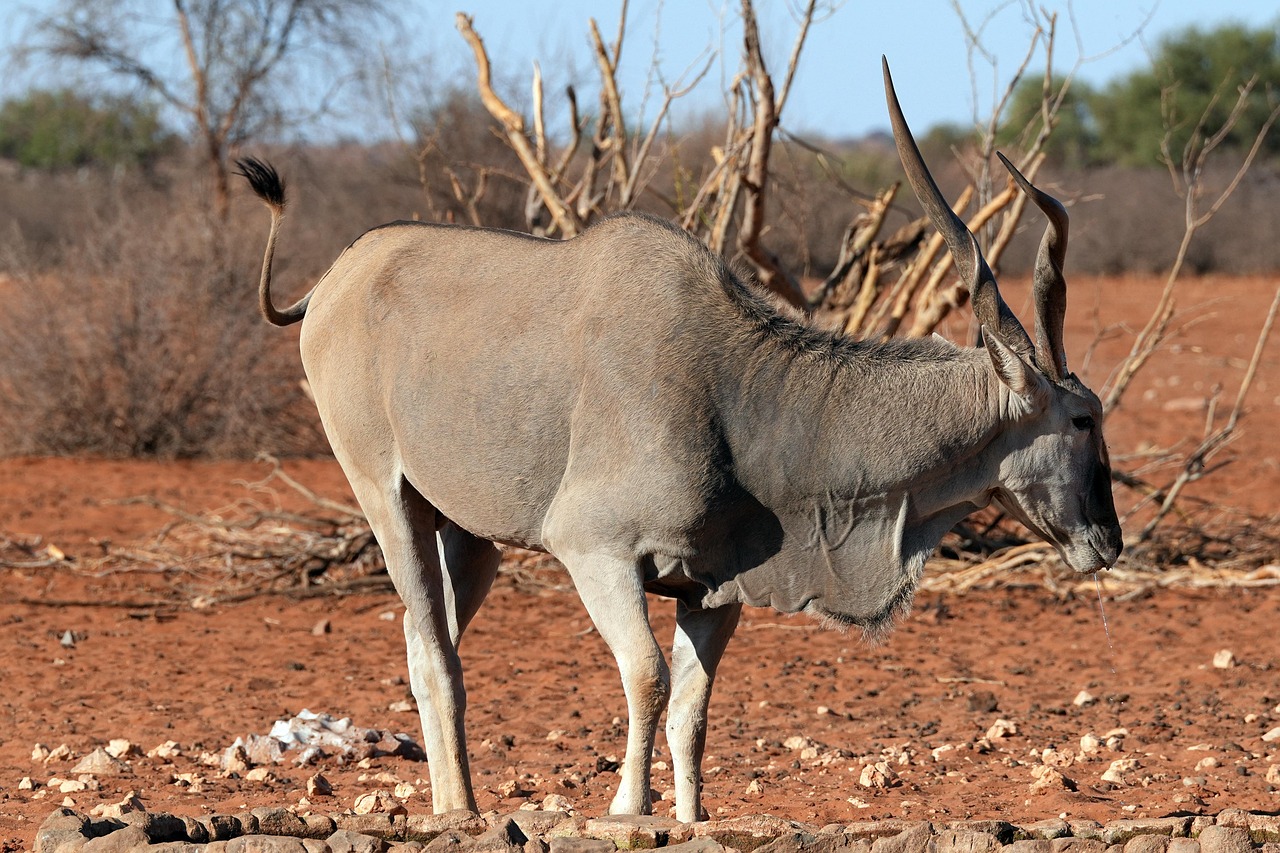
The antelope and non-dangerous species: kudu, impala, gemsbok, wildebeest, zebra, springbok, nyala, eland, warthog and dozens more. Hunts run five to ten days, are almost always walk-and-stalk within moderate range, cost in the thousands rather than the tens of thousands, and can be enjoyed by any reasonably fit hunter who shoots competently off sticks. The variety is the attraction — a good week might produce four or five very different animals in very different country.
What dangerous game means
Buffalo, elephant, lion, leopard and hippo — the species that can and occasionally do kill hunters. Hunts run ten to twenty-one days because these animals are tracked rather than spotted, cost multiples of a plains-game safari, require a heavier rifle (usually a .375 legal minimum), demand medical-evacuation cover, and involve quota, permit and often CITES paperwork. The professional hunter carries a backup rifle and the day is built around a level of discipline that plains game does not require.
Cost and duration in perspective
A seven-day plains-game hunt with several animals typically lands between $5,000 and $9,000. A buffalo hunt starts around $15,000 to $25,000 and climbs from there; elephant runs higher again. The daily rates are higher, the minimum durations are longer, and the trophy fees are in a different bracket. It is not a marginal upgrade — it is a different budget entirely, and worth planning towards rather than into.
Are you ready to step up?
The honest markers: you have hunted Africa at least once and know how the days work, you can place a first shot calmly under time pressure off sticks, you are fit enough to track through thick cover for hours in heat, and you can shoot a .375 well enough that recoil does not affect your first shot. If any of those is shaky, another plains-game safari with a heavier rifle in your hands is a better investment than a buffalo you are not ready to shoot properly.
The combination hunt
Many hunters do both in one trip: a buffalo with several plains-game species alongside it, often in Zimbabwe or the Limpopo valley. It spreads the cost of the travel, keeps the days full while tracking is slow, and is the most common way hunters make the transition. If that appeals, book with an operation genuinely licensed for dangerous game and check the professional hunter's dangerous-game endorsement, not just their licence.